NASA Finalizes 2028 Moon Landing Architecture
The space agency has locked in new docking protocols for SpaceX and Blue Origin to meet its aggressive 2028 return-to-the-Moon timeline.
By Brianna Jackson ·
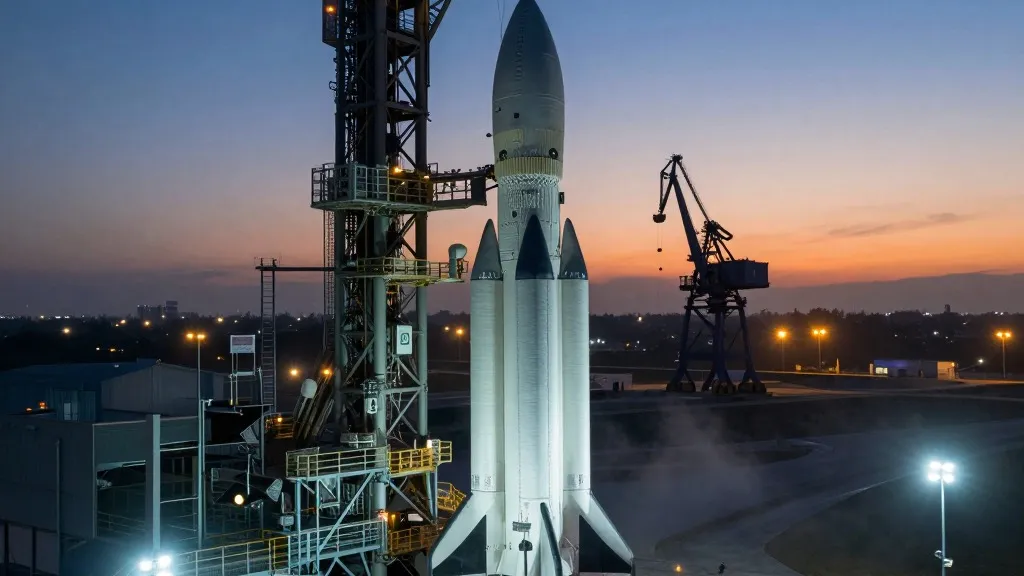
NASA has officially committed to a 2028 lunar surface landing, a target that hinges on significant structural changes to its Artemis program architecture. During a comprehensive briefing on Friday, agency leaders detailed the specific modifications required to ensure that both private lander providers can meet this aggressive deadline. This marks the first time the full scope of these revisions has been publicly laid out, confirming that the path to the Moon is now defined by distinct, separate operational tracks for each contractor.
The timeline for these milestones has remained relatively stable despite the internal engineering shifts. Officials stated that the Artemis III mission, which serves as a critical demonstration phase, is still targeted for a launch in the summer of 2027. This flight will focus on verifying docking capabilities between the Orion spacecraft and the landers in the vicinity of Earth. Following this test, the agency is tracking toward a 2028 launch for Artemis IV, the first mission to actually place astronauts on the lunar surface since the Apollo era.
The most substantial architectural change involves the SpaceX Starship vehicle. Previously, the plan required the Orion spacecraft to dock with the Starship lander in a complex near-rectilinear halo orbit around the Moon. This approach demanded significant energy and presented technical hurdles. The new protocol dictates that Orion will instead dock with the Starship lunar lander in high-Earth orbit. Only after this connection is established will the combined vehicle transit to the Moon, a shift that simplifies the energy requirements and reduces operational complexity for the SpaceX team.
For Blue Origin, the revised architecture relies on a launch sequence involving four separate New Glenn rockets. A key distinction in this plan is the elimination of in-space refueling operations between spacecraft. While the previous iterations may have implied complex orbital maneuvers, the new blueprint streamlines the process. Furthermore, the Blue Origin plan allows for the possibility that its Blue Moon lander could rendezvous with the Orion spacecraft in low-Lunar orbit, offering a different final approach vector than the SpaceX method.
These changes were not made in isolation. In early 2026, SpaceX engineers engaged in extensive meetings with NASA leadership, specifically requesting the removal of the near-rectilinear halo orbit docking requirement. The cancellation of the Lunar Gateway station earlier this year inadvertently solved this long-standing engineering problem for SpaceX, allowing the agency to adopt the simpler high-Earth orbit docking strategy. This removal of a major technical bottleneck was a central theme of the recent planning updates.
NASA Administrator Jared Isaacman emphasized the agency’s confidence in the revised roadmap. He noted that the team has a clear mandate, the necessary resources, and strong support from stakeholders to execute the plan. "This is an achievable path we are on right now," Isaacman stated, highlighting the intent to move forward with the current architecture without further major delays.
The leadership has taken a rigorous look at every element of the Artemis program to identify where changes could help the lunar lander companies accelerate their development. By aligning the agency’s requirements with the specific capabilities of the contractors, NASA aims to reduce friction in the process. The focus is now on maintaining these dates as the hardware moves closer to its final test phases.
As the program moves into its next phase, the attention will turn to the execution of the 2027 demonstration mission. Success in that window will be the primary indicator of whether the 2028 landing target remains viable. For now, the architecture is set, and the clock is ticking on the final push to return humans to the lunar surface.
Source: Ars Technica